
✪ Journal ✪
Do Wind Spinners Scare Birds Away? What to Expect in a UK Garden
Do wind spinners actually scare birds?
The short answer is: sometimes, briefly, and then not very much at all. Birds are alert creatures and any new object in the garden, whether it spins or not, can cause them to pause and take stock. Movement and reflected light add an extra layer of novelty that may keep certain species at a distance for the first few days after you put something out. After that, most garden birds work out fairly quickly that a spinning ornament is not a threat, and they carry on as normal.
This is not a flaw in the spinner. It is simply how birds behave. They are wired to notice change, assess it, and then file it away as harmless once nothing alarming has happened. Pigeons, starlings, sparrows and robins in particular seem to settle quickly around new additions to the garden. Shyer species, like wrens or goldfinches, may take a little longer to return to their usual spots, but they typically do.
The habituation effect
Gardeners sometimes buy reflective tape or spinning devices specifically to deter birds from fruit bushes, and most report that the deterrent effect fades within a week or two. The birds become used to the movement and stop treating it as a warning signal. For decorative wind spinners, the same principle applies in reverse: if you are hoping a spinner will permanently keep birds off a certain patch, it probably will not. And if you are worried a spinner will ruin your garden bird watching, it almost certainly will not either.
The key variable is placement, not the spinner itself.
Placement relative to feeders
If you position a wind spinner directly next to a bird feeder, you may notice fewer visits in the first few days, or birds approaching with a bit more caution than usual. A sensible rule of thumb is to keep decorative spinners at least two to three metres away from any feeding station. That gap gives visiting birds a clear line of sight to the feeder without the spinner sitting right in their flight path.
Our Modern Bird Feeder works best when placed in a calm spot: a sheltered corner, a sturdy post away from the washing line, somewhere with a bit of natural cover nearby so birds feel safe approaching. Pair it with a spinner elsewhere in the garden and you get the best of both, a bit of movement and colour on one side, a reliable food source on the other.
Steady movement versus erratic movement
Not all spinners move in the same way. Some have a fast, unpredictable spin in even a light breeze; others rotate more gently and predictably. In general, steadier, more rhythmic movement is less alarming to birds than sudden lurching or clattering. If your spinner rattles or bangs against its mounting in wind, that sound can be more off-putting to nearby birds than the visual movement itself.
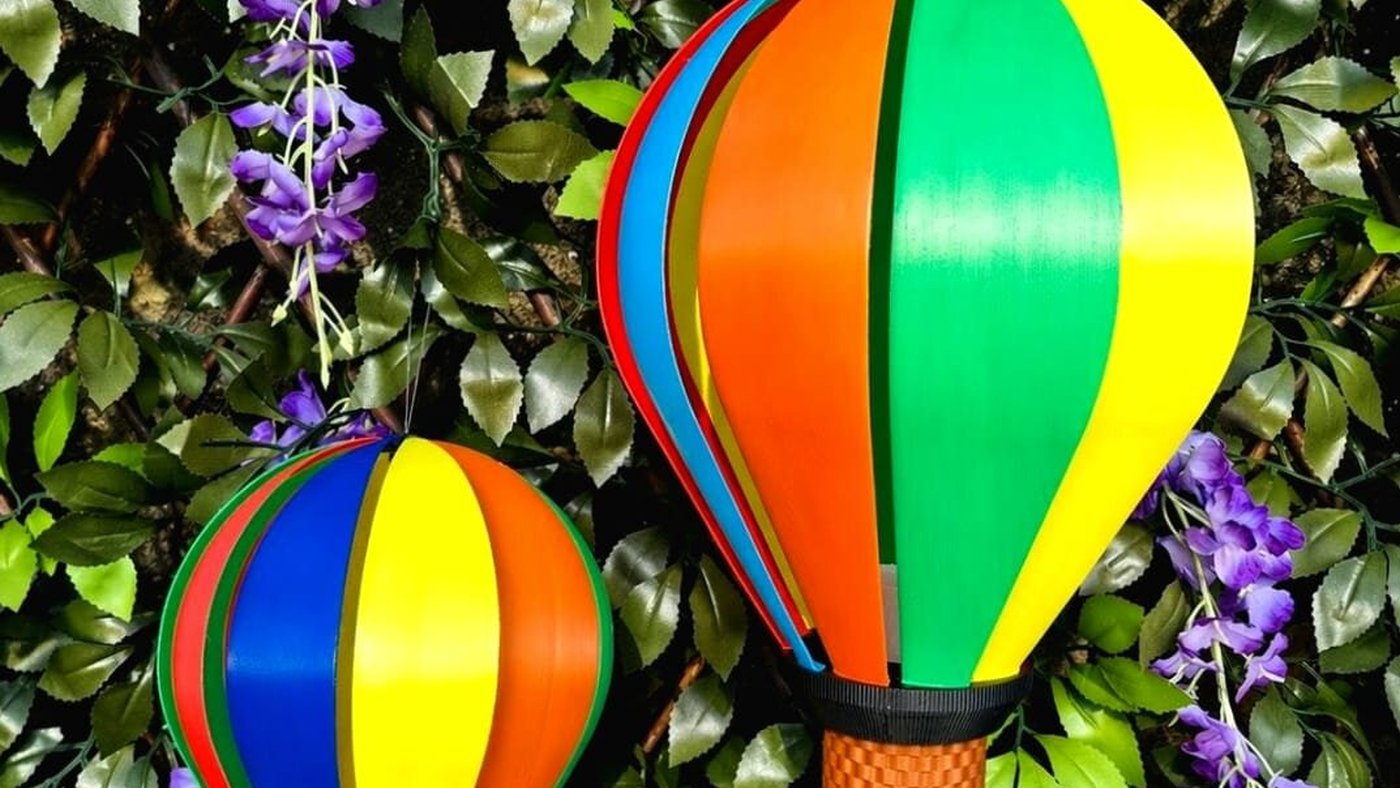
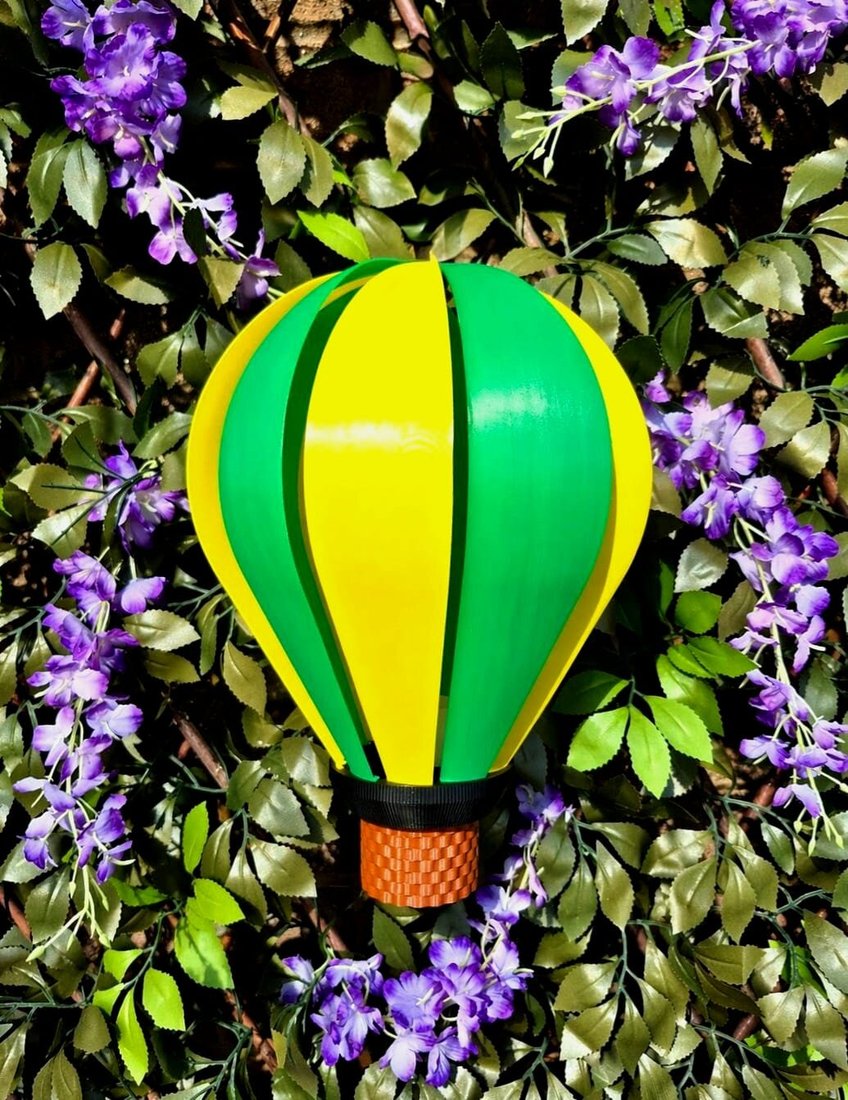
Our Hot Air Balloon Wind Spinner has a gentle, balanced rotation that looks lovely in a moderate breeze without creating any noise. The design is compact enough that it does not cast a huge shadow or dominate the garden, which also helps. We would suggest mounting it on a post or hanging it from a pergola at a reasonable distance from any feeding station, and giving it a week or so before making any judgements about bird activity. By the time it has been turning in the wind for a fortnight, most birds that visit your garden will have completely tuned it out.
Reflective surfaces and light flashes
One thing worth knowing is that very bright, highly reflective spinners can produce flashes of light that some birds do find unsettling, particularly species with more cautious instincts. Most decorative garden spinners, including ours, are printed rather than made from mirror-finish materials, so they do not produce the harsh flashes associated with commercial bird-scaring equipment. The colours may catch the light pleasantly on a sunny afternoon, but that is a different thing entirely.
As with all of our outdoor pieces, the colours on our spinners will mellow a little over time in strong direct sunlight. That gentle weathering is completely normal and part of how a garden ornament beds in and becomes part of the space. It does not affect how the piece spins or how it sits in the garden.
Tips for enjoying both spinners and garden birds
A few practical pointers if you want a lively, bird-friendly garden with some spinner interest as well:
- Place feeders in a sheltered spot with natural cover nearby (a hedge or shrub helps birds feel safe approaching).
- Keep spinners at least two to three metres from feeding stations, and further if you can manage it.
- Mount spinners where they will catch the breeze but not swing into structures or create unwanted noise.
- Give any new garden addition two weeks before drawing conclusions about bird behaviour. Birds settle quickly.
- If a shy species visits regularly, like a nuthatch or a treecreeper, err on the side of more distance between spinner and feeder.
Our garden collection brings together decorative pieces that are designed to sit comfortably in a real outdoor space, not just in a product photograph. We think about how things will look when the garden is actually in use, with birds, butterflies, bees and the occasional muddy dog passing through.
A garden that works for everything
Wind spinners and bird feeders are not in competition with each other. They serve different purposes: one brings movement and a bit of joy on a grey afternoon; the other brings actual wildlife. Used together thoughtfully, they make for a garden that has both visual interest and genuine life in it.
If you are putting together a garden corner from scratch, we would suggest starting with a feeder, getting the birds used to visiting, and then adding a spinner a few metres away once you have a regular crowd coming in. That order of operations means the birds associate your garden with food before they ever have to decide what to make of a spinning ornament. Give everything a couple of weeks to settle and, in our experience, you will find the two coexist without any fuss at all.
You can browse everything we make for outdoors in our garden collection, or take a closer look at the Hot Air Balloon Wind Spinner alongside our Modern Bird Feeder, if you are putting together a garden setup that does a bit of everything.
Frequently asked questions
Will a wind spinner stop birds coming into my garden?
How far should a wind spinner be from a bird feeder?
Do reflective spinners scare birds more than coloured ones?
Can I have a wind spinner and a bird feeder in the same garden?
Everything in our shop is printed and hand-finished to order in the UK.
Browse the shop