
✪ Journal ✪
Where to Hang a Bird Feeder: Placement Tips That Actually Work
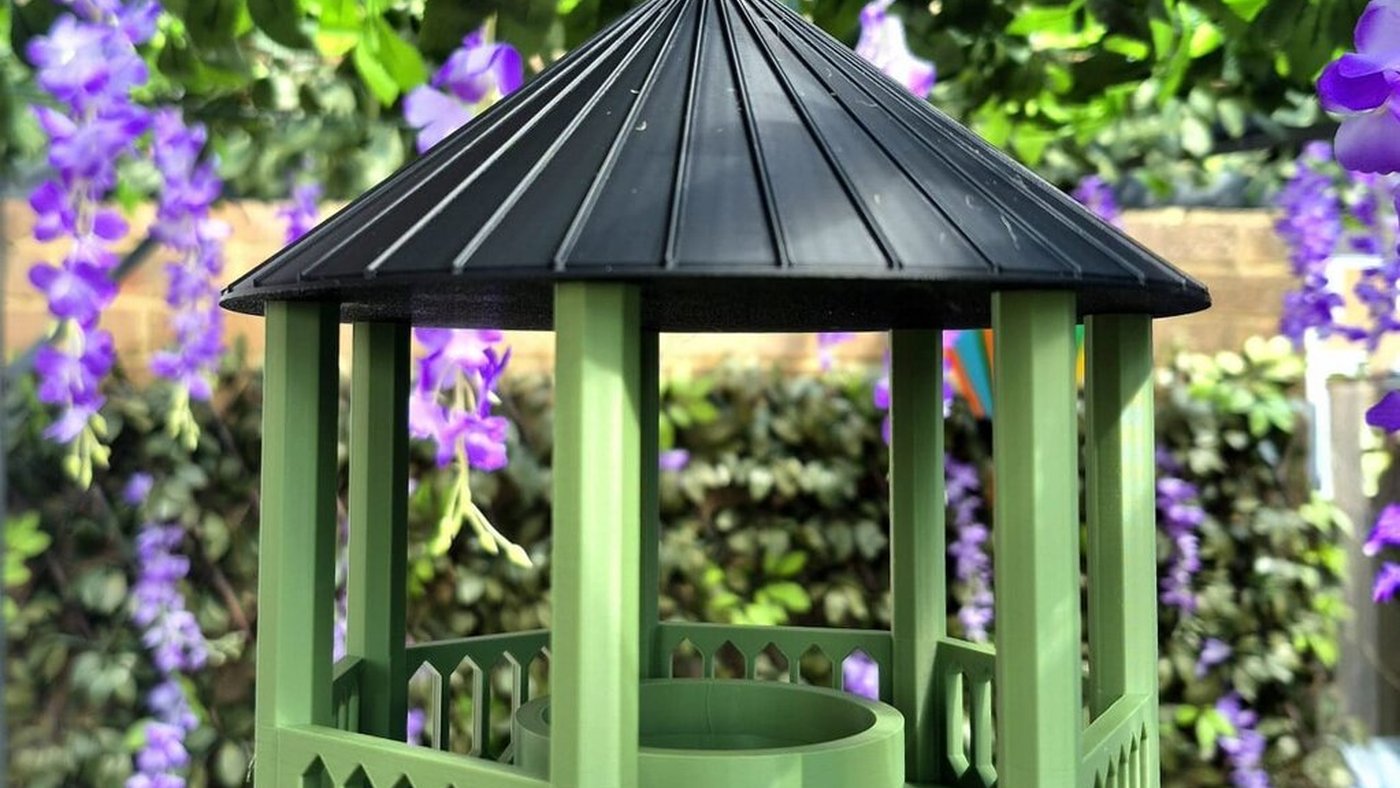
Hang a feeder in the wrong spot and you can wait weeks staring at untouched seed. Hang it in the right one and the same feeder is queued out by blue tits before the month is over. Placement is nearly everything. Here is what actually matters, in order.
Near cover, but not touching it
This is the big one. Garden birds want a safe staging post: somewhere to sit, check for danger and dart back to. Place a feeder one to two metres from a shrub, hedge or small tree. Closer than that and you have built a launch pad for cats and squirrels; further than three or four metres of open ground and smaller birds will often decide the flight is not worth the risk.
Height: about head height is right
Somewhere around 1.5 to 2 metres suits most small garden birds. It keeps the feeder above a pouncing cat, at a comfortable height for you to refill, and in the zone where tits, finches and sparrows naturally forage. Ground-feeding birds like robins and blackbirds will happily hoover up whatever drops.
The window rule
Window strikes are the sad side of bird feeding, and there is a counterintuitive rule that helps: put feeders either within a metre of a window or more than ten metres away. Very close, and a startled bird cannot build up dangerous speed before reaching the glass. Far away, and the window stops being on the flight path at all. The worst position is the middle distance.
Somewhere calm
Not beside the trampoline, the washing line or the path you walk ten times a day. Birds tolerate routine movement they can predict (you, at the kitchen window, kettle in hand) but constant surprise traffic keeps the shyer species away. A quiet corner you can see from the house is the ideal compromise: calm for them, entertainment for you.
Give it time
A new feeder is a strange object, and garden birds are professionally suspicious. A few days to a couple of weeks before regular visitors is completely normal. A sprinkle of seed on the ground below speeds up discovery. Once one blue tit commits, the news travels fast.
Keep it clean (the part everyone skips)
A feeder is a shared plate, and dirty feeders spread disease between visitors. Every couple of weeks, empty it, wash with mild soapy water, rinse well and dry before refilling. Moving the feeder a metre or two occasionally also stops droppings building up in one spot below. This single habit does more for your garden birds than any premium seed mix.
A feeder worth looking at
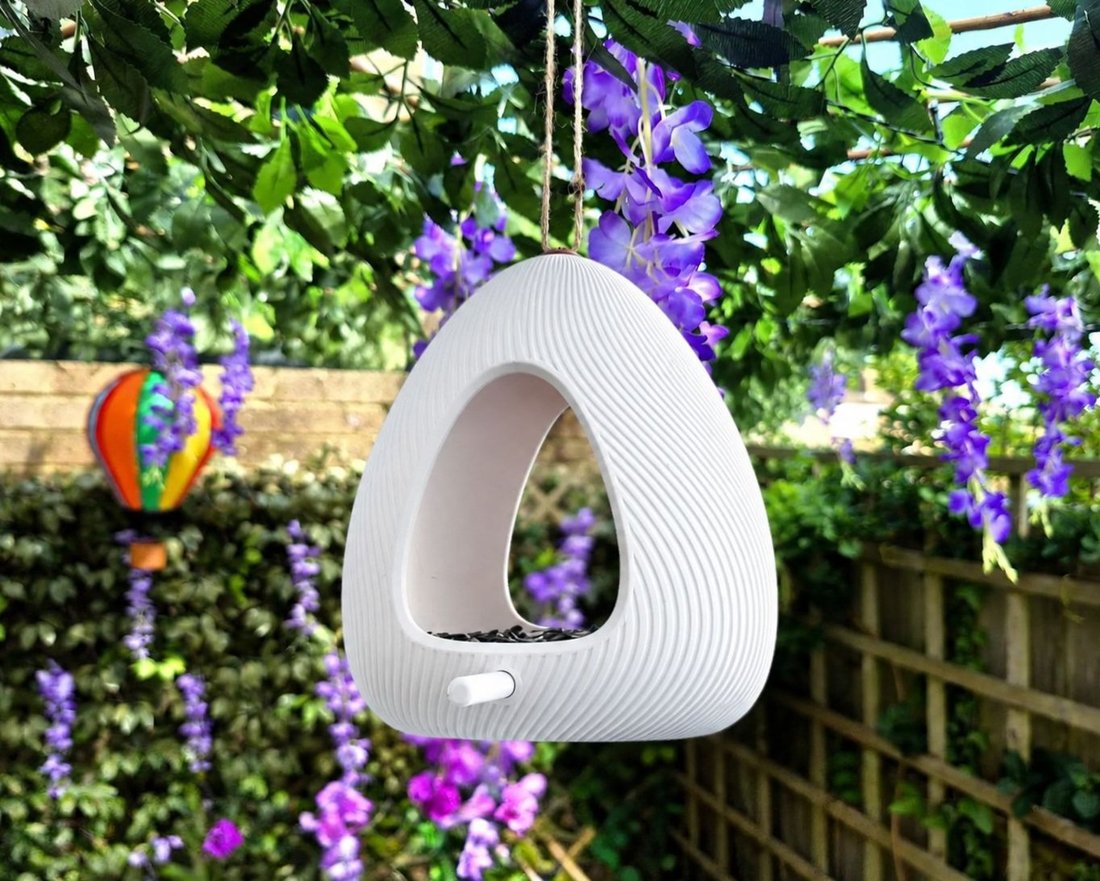
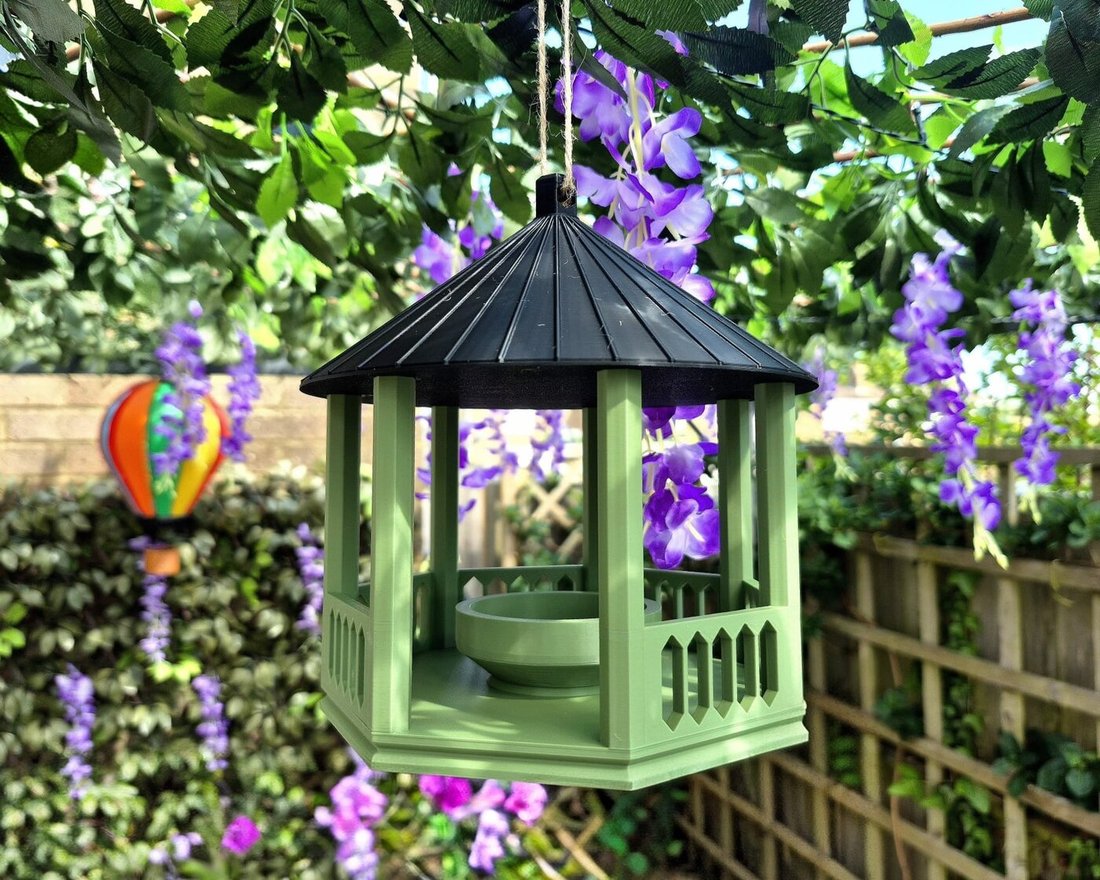
Ours is the Modern Bird Feeder, a clean-lined design that suits contemporary gardens, printed and hand-finished to order in the workshop. The rest of our outdoor pieces live in the garden collection.
Frequently asked questions
How high should a bird feeder be?
Why are no birds coming to my feeder?
How far should a bird feeder be from a window?
How often should I clean a bird feeder?
Everything in our shop is printed and hand-finished to order in the UK.
Browse the shop